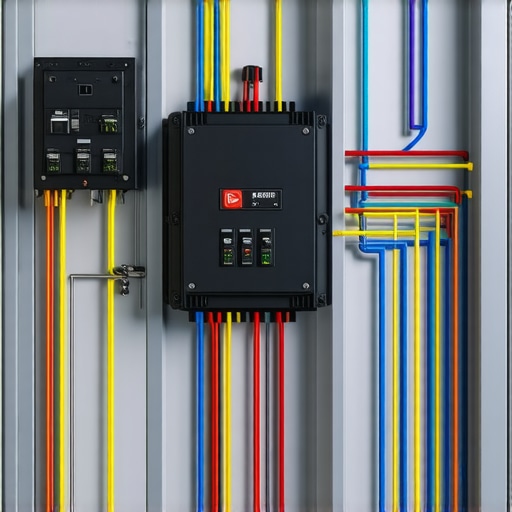

3 Hidden 2026 Code Violations That Block Panel Upgrades
It was a typical Saturday afternoon when I finally decided to upgrade my electrical panel to handle the new EV charger. I’d read all the articles, watched tutorials, and felt confident—until I hit a wall. The upgrade was halted not because of a lack of effort, but because of three sneaky code violations I hadn’t even heard of. The moment I realized these issues could block my entire project, I knew I wasn’t alone. If you’ve been in my shoes, frustrated by unexpected obstacles, you’re in the right place.
Why Ignoring Hidden Code Violations Can Cost You More Than Just Time
Upgrading your electrical panel isn’t just about expanding capacity; it’s a critical step to ensure safety and compliance with evolving 2026 codes. Missing these hidden violations can lead to costly fines, failed inspections, or worse, dangerous electrical hazards. Early on, I made the mistake of rushing through the permit process without thoroughly verifying local code updates, which nearly cost me the chance to have a safe, reliable EV charging setup. According to the National Fire Protection Association, electrical failures are among the leading causes of residential fires, often attributable to code violations or outdated systems (NFPA). This experience taught me that understanding and addressing these hidden code issues is essential for a safe home and peace of mind.
Are You Still Overlooking These Critical Upfront Checks?
If you’re planning a panel upgrade or EV charger installation, have you considered that these sneaky violations might be lurking in your home’s wiring? Many homeowners overlook the importance of verifying code compliance, which can lead to violating new 2026 regulations designed to improve safety standards. I wish I had known early on that these violations are often concealed behind the walls or in older wiring systems, waiting to trip up even the most prepared homeowners. The good news? With the right guidance and a thorough inspection, you can circumvent these issues before they become major problems.
To ensure your project stays on track, it’s worth revisiting your compliance checklist and consulting trusted resources. For detailed steps, check out this guide on ensuring code compliance. In the following sections, I’ll share exactly what to look for and how to resolve these hidden violations effectively—saving you time, money, and potential headaches down the road. So, let’s get started on making your upgrade a success!.
Assess Your Existing Electrical System Carefully
Before diving into any upgrade, walk through your home to identify your current panel’s capacity and wiring age. Use a voltage tester to verify circuits and look for signs of wear like discoloration or rust. I once found corroded wires behind my panel that were hidden behind drywall, which could have caused a fire if left unchecked. Document your findings and compare them against the requirements outlined in this comprehensive guide. This prevents surprises during inspection and ensures you’re planning correctly.
Prepare Your Workspace for a Smooth Installation
Ensure safety by turning off the main breaker and wearing insulated gloves and safety goggles. Clear the area around your electrical panel, removing debris and cover plates if needed. Think of this step as staging for a delicate surgery: the cleaner and safer your workspace, the better your chances for a successful upgrade. I once neglected to clear my garage, which resulted in a tricky, cluttered space that slowed my progress dramatically. Proper preparation saves time and reduces risk.
Upgrade Your Panel with Certified Components
Choose a new panel rated for at least 200 amps, compatible with upcoming code changes, and suitable for EV chargers. Install a dedicated circuit for your EV charger, ensuring it matches the specifications outlined in this expert resource. During my upgrade, I used a modular panel system, which offered flexibility for future expansion. Remember, using uncertified or incompatible parts risks failing your inspection and voiding warranties.
Address Hidden Code Violations Head-On
This is the most critical step—resolving issues like outdated wiring, improper grounding, or insufficient circuit breakers. Use a multimeter to verify grounding continuity. When I encountered ungrounded outlets behind my walls, I had to rewire sections to meet 2026 code standards. Think of this as fixing leaks in a dam: small cracks can cause catastrophic failures down the line. If you’re unsure, consult a professional or use resources like this detailed verification guide.
Document Everything for Inspection Readiness
Keep detailed records of your work, including photos, component specs, and receipts. This not only helps during inspections but also aids in troubleshooting if issues arise post-installation. I once failed an inspection due to missing paperwork, which delayed my EV charger setup by weeks. My solution was to create a comprehensive dossier, referencing tips from this troubleshooting resource for future projects. Organized documentation establishes credibility and speeds up approval processes.
Test Power and Ensure Compliance Before Going Live
Turn the main breaker back on and check each circuit with a multimeter. Confirm your EV charger powers up and communicates correctly—refer to this troubleshooting guide for common issues. I once experienced a circuit trip during my first test, which I traced back to an overloaded breaker. After adjusting the load, everything ran smoothly. Testing thoroughly prevents future failures and guarantees safe operation down the line.
When it comes to upgrading your electrical panel for EV charging, many believe following the basic checklist suffices. However, *true expertise demands a deeper dive into the nuances*, especially concerning code compliance and troubleshooting complexities that most overlook. One common myth is that a simple capacity increase guarantees safety and legality; in reality, without understanding the intricacies of recent code updates like those in 2026, you’re potentially setting yourself up for failure. For example, many assume that older wiring can just be upgraded with new breakers, but outdated wiring might not meet the rigorous standards required for high-capacity EV chargers, risking compliance failures or fire hazards (see this detailed guide) .
What Are You Missing in Your Troubleshooting Approach?
Most homeowners focus on fixing apparent issues like tripped breakers or inconsistent charging. Still, *the most insidious problems often lie behind the scenes*, such as subtle ground faults or subtle wiring errors that can evade standard tests. Rushing through troubleshooting can overlook these hidden faults, which deteriorate system reliability and may violate code standards. For instance, a minor grounding inconsistency, if uncorrected, could cause consistent charger faults or even electrical shocks (this troubleshooting resource). Remember, advanced issues require a thoughtful analysis beyond the obvious—assessing wiring age, insulation quality, and connection integrity.
Making assumptions about what constitutes a compliant system is a major pitfall. Many owners believe that installing a new panel automatically aligns with 2026 standards, but without verifying detailed aspects like conductor sizing or breaker ratings, you risk non-compliance. This oversight can lead to failed inspections or the need for costly rework. Always refer to this cornerstone content on critical nuances to prevent costly mistakes.
Furthermore, understanding the advanced troubleshooting steps, such as testing the entire grounding system resistance or inspecting for subtle wiring anomalies, can save you a lot of headache. Investing in such detailed diagnostics often pays off in long-term reliability and safety. When in doubt, consulting with professionals who are familiar with recent code updates and advanced diagnostic techniques can be highly beneficial. Remember, troubleshooting isn’t just about fixing issues—it’s about understanding your system at a fundamental level, avoiding future failures, and ensuring adherence to all safety standards. Have you ever fallen into this trap? Let me know in the comments.
Keeping Your EV Charging Setup in Peak Condition
Once you’ve successfully upgraded your electrical panel and installed your EV charger, the real work begins: maintaining optimal performance and ensuring long-term safety. Having the right tools and established routines can make this process straightforward and effective. Personally, I rely on a few specific instruments and methods that have proven invaluable in diagnosing issues early and preventing costly repairs.
Invest in a High-Quality Multimeter
A reliable multimeter is your primary tool for verifying voltage, current, and ground connections. I personally use a Fluke 117, renowned for its precision and durability. Regularly testing your circuits with a multimeter helps spot subtle anomalies like undervoltage or grounding faults before they escalate. For instance, checking for proper voltage levels on your dedicated EV circuit, as outlined in this troubleshooting guide, ensures safe and efficient operation over time.
Implement Smart Monitoring Software
Next-generation EV chargers and panels often support smart monitoring apps. These tools provide real-time data on energy consumption, circuit health, and fault alerts. I use the Wallbox Power Sharing app, which connects seamlessly with my charger, alerting me instantly if a circuit trips or if I need to perform a reset. As technology evolves, these apps are expected to incorporate predictive analytics, foreseeing issues before they occur—a trend that promises to revolutionize home electrical management.
Schedule Routine Inspections and Tests
Even the best tools need regular checkups to keep systems running smoothly. I recommend scheduling an annual comprehensive inspection, especially if your home has older wiring or if you’ve made modifications. During these inspections, test grounding integrity, verify breaker ratings, and look for signs of wear or corrosion. For extensive diagnostics, consider consulting a licensed electrician experienced in code-compliant EV charger setups, referencing this guide.
How do I maintain my EV charger and panel over time?
To ensure longevity and safety, keep your electrical panel and charger free of dust and moisture. Regularly inspect wiring connections for signs of loosening or corrosion. Use an infrared thermometer to monitor circuit temperatures during operation; unusually high readings can indicate overloads or poor connections. Staying proactive with these simple measures can save you from unexpected breakdowns and costly repairs, making your charging experience seamless and secure. As the electrical standards evolve, so will the tools and techniques needed to stay compliant and safe—anticipate advancements like integrated IoT sensors that monitor system health continuously. Don’t wait for a fault; try implementing a scheduled self-check routine today and see the difference it makes.
How Overconfidence Nearly Cost Me My Home’s Safety
Initially, I believed that a simple upgrade would suffice, but neglecting the latest code standards almost led to inspection failures. Recognizing my oversight was a pivotal moment that underscored the importance of continuous learning in electrical work.
Why Ignoring Small Details Can Turn Into Big Problems
It’s tempting to overlook minor wiring imperfections or outdated grounding, but these small issues can compromise safety and compliance. I learned that meticulous inspection and adherence to the most recent standards, like those in this guide, are non-negotiable for peace of mind.
My Secret Weapon for Long-Term Reliability
Investing in a high-quality multimeter and smart monitoring tools has transformed how I maintain my system. They help detect early signs of trouble, preventing costly repairs and ensuring the safety of everyone at home. Check out this resource for recommended testing techniques.
Act Now to Protect Your Investment
Take proactive steps today: thoroughly inspect your wiring, verify compliance with the latest standards, document your progress, and stay vigilant with routine checks. Your home’s safety and your peace of mind depend on it. Remember, staying informed is the best defense against costly mistakes. Ready to get started? Share your experiences or ask questions below—your journey toward a safe EV charging system begins now!